
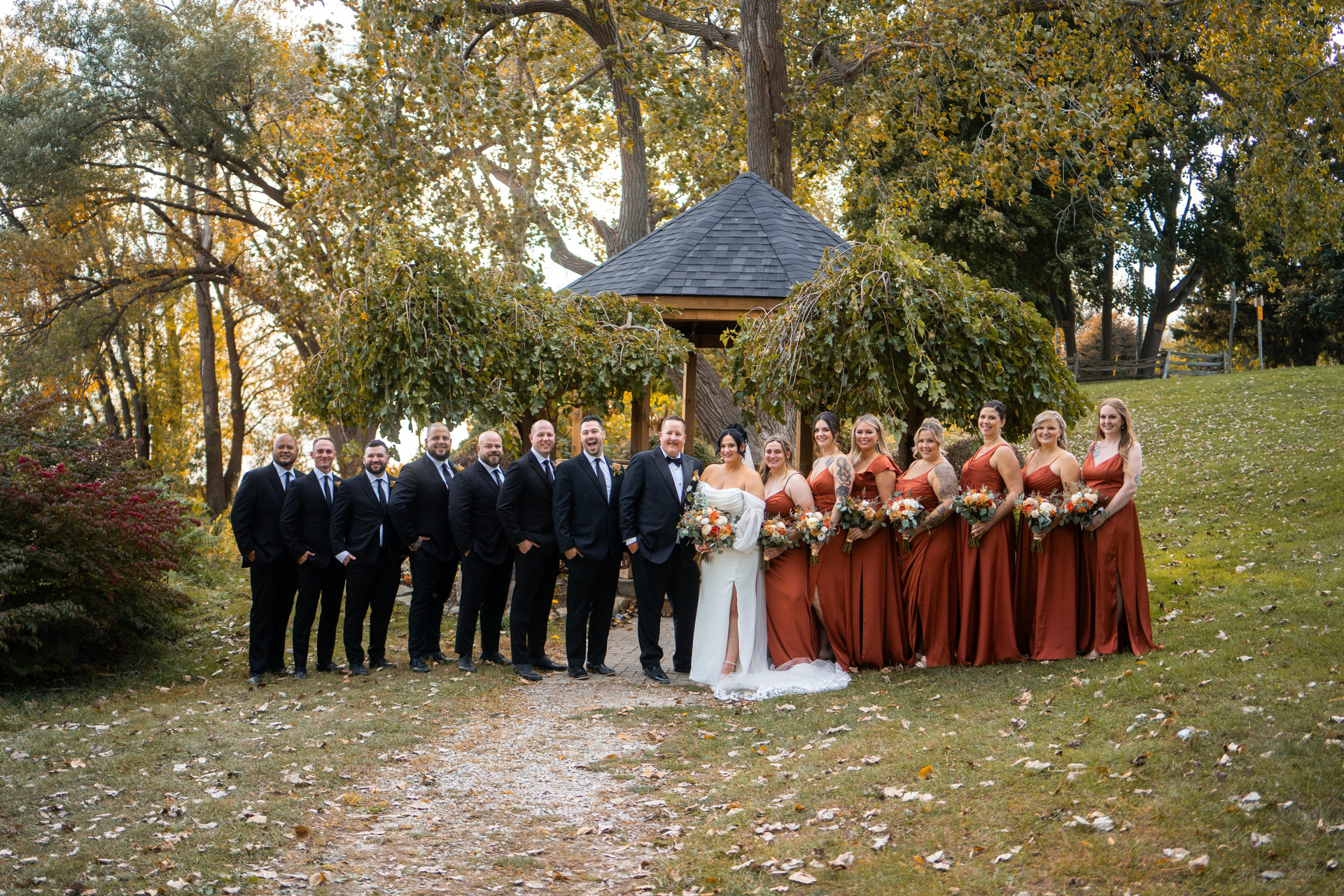
How to Plan Your Wedding Photography Timeline in Windsor, Ontario
Your wedding day isn’t just a series of events on a schedule. It’s the nervous excitement before the ceremony, the look on your partner’s face when they see you, the happy tears during your vows, and the little moments you never planned but will remember forever.
And while you can’t plan every beautiful moment, you can create a wedding day timeline that gives those moments room to happen.
As you plan your wedding in Windsor, Ontario, one of the most important things to consider is how your schedule will affect your wedding photos. The right timeline helps your photographer capture the story of your day naturally, without making you feel like you’re constantly rushing from one photo to the next.
Whether you’re planning an intimate celebration in Windsor-Essex County or a full wedding day with family, friends, and a lively reception, here’s how to build a wedding photography timeline that works for you.
1. Start With Your Ceremony Time
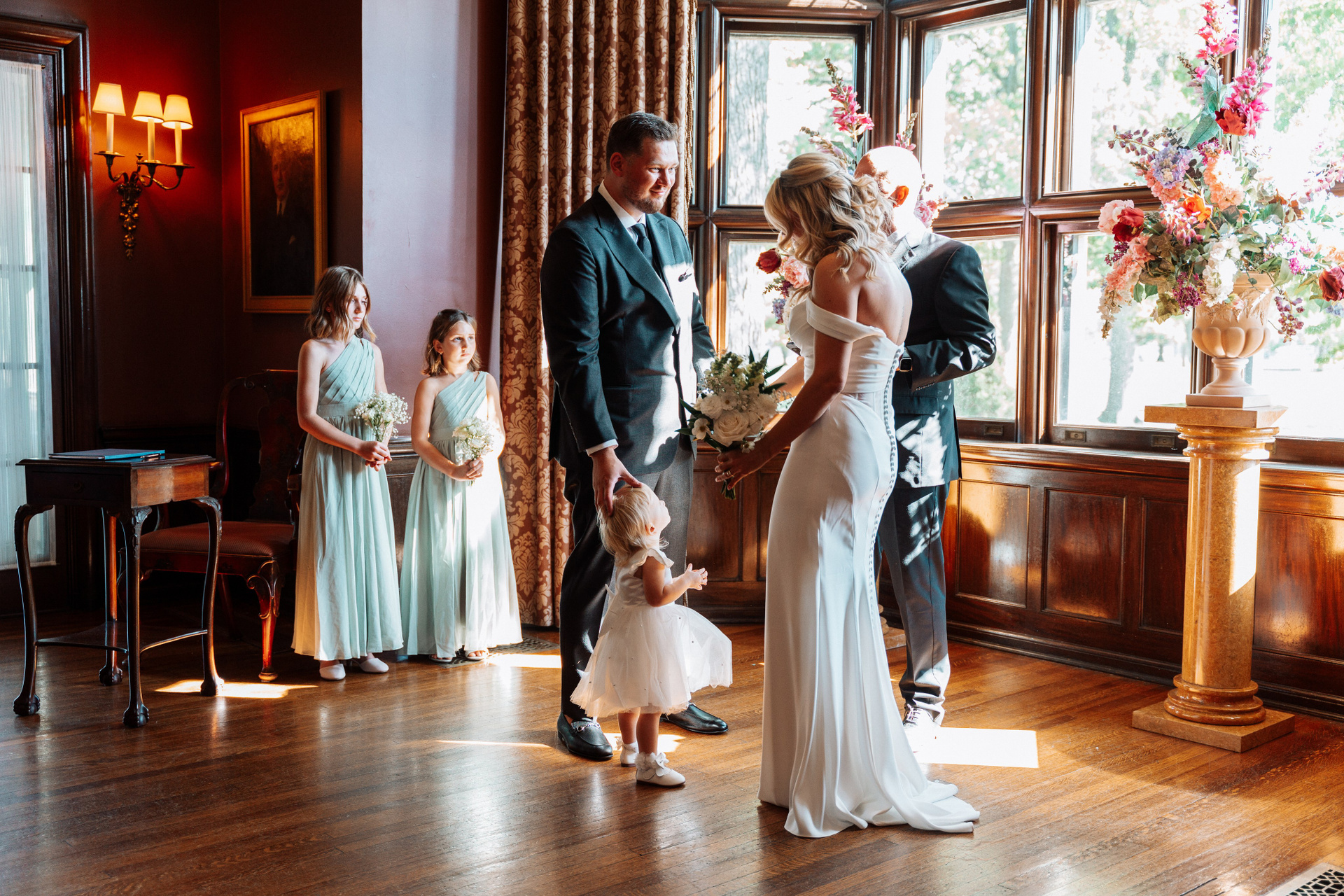
Your ceremony is usually the best place to start when planning your wedding day timeline.
Once you know when and where you’ll exchange vows, you can work backwards to plan getting-ready photos, travel, a first look, and portraits.
Before finalizing your schedule, consider:
- What time does your ceremony begin?
- Will you get ready at the same location or somewhere else?
- Are you planning a first look before the ceremony?
- Will you need to travel between your ceremony and reception venues?
- Do you want outdoor portraits around sunset?
If you’re getting married at different locations around Windsor and Essex County, remember to account for travel time, parking, and gathering everyone before photos.
My tip: Build a little breathing room into your schedule. A wedding timeline should guide your day, not make you feel like you’re racing against the clock.
2. Should You Have a First Look Before the Ceremony?
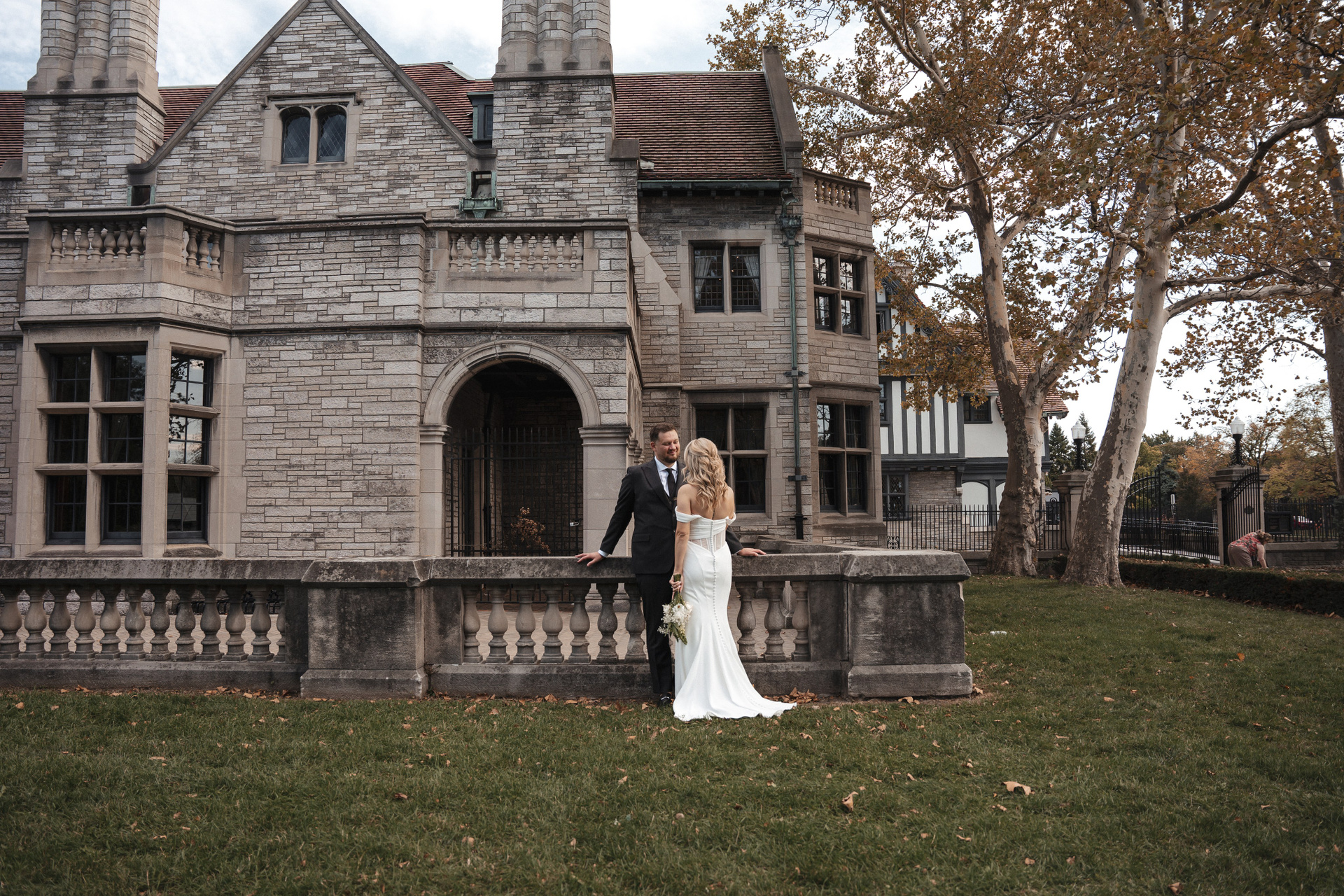
A first look is a private moment when you and your partner see each other before walking down the aisle.
For some couples, it’s an opportunity to slow down, share a few words, and enjoy a quiet moment together before the celebrations begin.
From a wedding photography perspective, a first look can also give you more flexibility. You may be able to take your couple portraits and some wedding party photos before the ceremony, leaving more time to enjoy cocktail hour with your guests.
If you prefer a traditional aisle reveal, that’s beautiful too. You can plan your portraits after the ceremony instead.
There’s no right or wrong choice. Think about the experience you want to have on your wedding day, then build your photography timeline around it.
3. Give Yourself Enough Time for Getting Ready Photos
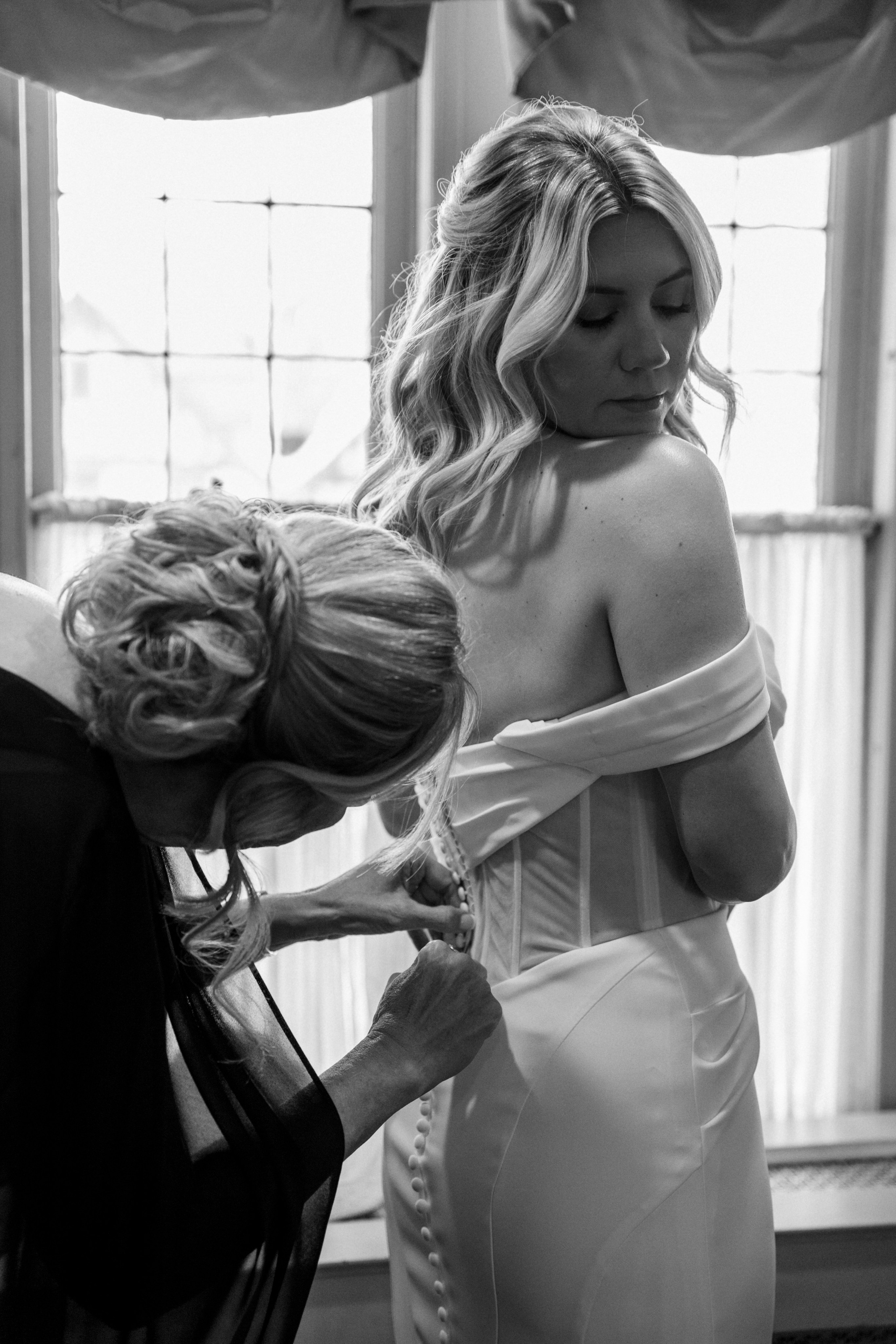
The morning of your wedding is full of details and emotions worth remembering.
Your dress, rings, invitations, flowers, final touches, and candid moments with your closest people all help tell the story of your day.
To make the most of your getting-ready photos, consider these simple tips:
- Choose a room with plenty of natural light, if possible.
- Keep bags, food containers, and unnecessary clutter away from the main photo area.
- Gather your rings, invitations, jewellery, perfume, and other meaningful details in one place.
- Allow enough time for hair, makeup, and getting dressed.
- Leave a little extra time for unexpected delays.
A calm morning makes a difference. When you aren’t rushing, you have more space to enjoy the experience and let those natural moments unfold.
4. Plan Your Family and Wedding Party Photos in Advance
Family portraits are often among the most meaningful photographs from a wedding day. They’re also one of the easiest parts of the schedule to underestimate.
The secret to keeping family photos organized is having a plan before the wedding.
Create a list of the group combinations you’d like photographed. For example:
- The couple with both sets of parents
- The couple with each side of the family
- The couple with siblings and grandparents
- The couple with the entire wedding party
- A full family group photo
Share this list with your wedding photographer ahead of time. It’s also helpful to ask a family member who knows everyone to assist with gathering people.
Keep the list focused on the combinations that matter most to you. This helps make family portraits efficient without sacrificing the photographs you’ll treasure for years.
5. Make Time for Natural, Romantic Couple Portraits
Your couple portraits don’t need to feel like a long photoshoot in the middle of your wedding.
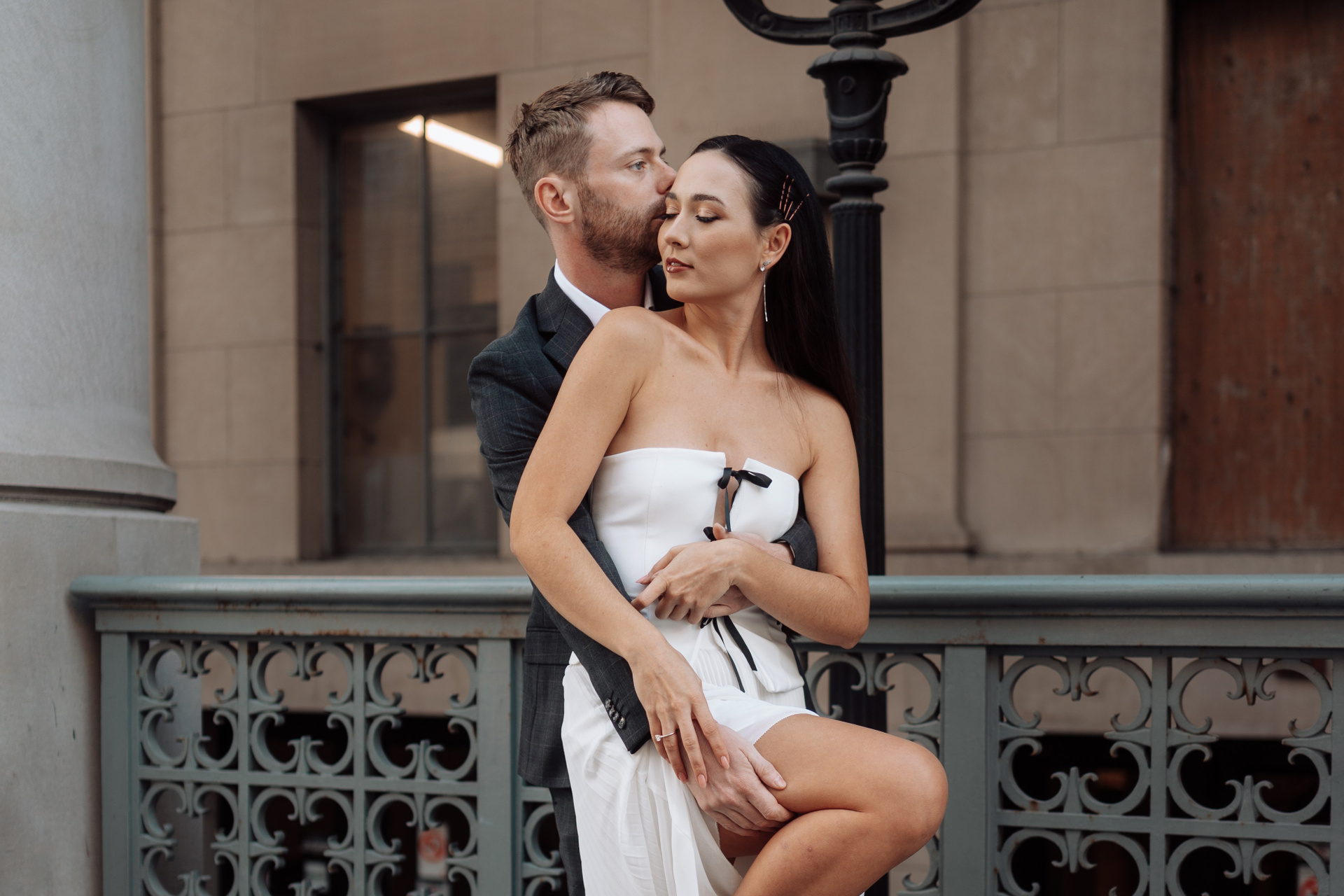
Some of the most beautiful wedding photographs come from simple moments: walking together, laughing at something unexpected, holding hands, or taking a quiet breath away from the crowd.
If you love a timeless, editorial look, your photographer can guide you through flattering compositions and gentle direction while leaving room for genuine interaction.
Before the wedding, talk about the style of photography you love. Share examples that inspire you, whether they’re romantic portraits, candid documentary moments, or fashion-inspired images.
The goal isn’t to recreate someone else’s wedding photos. It’s to create photographs that feel like you.
When planning your wedding photography timeline, allow enough time for portraits without filling every minute with posing. A relaxed couple often makes for more natural, meaningful photographs.
6. Plan Around Golden Hour for Beautiful Wedding Photos
Golden hour is the period shortly before sunset when the light can become soft, warm, and flattering.
It’s a popular time for wedding portraits because the light can add a romantic atmosphere to your photographs. But the ideal timing depends on your wedding date, the weather, your location, and the direction of the light.
In Windsor, Ontario, sunset times change throughout the year. A summer wedding and a winter wedding will have very different lighting opportunities, so it’s worth checking the sunset time for your specific date.
If golden-hour wedding photos are important to you, discuss them with your photographer before finalizing your reception schedule.
You may only need 10–20 minutes away from the celebration to capture a few additional portraits, depending on your location and the conditions.
And remember: golden hour isn’t the only time for beautiful wedding photos. A skilled photographer can work with different lighting conditions throughout the day, from soft window light to overcast skies and evening reception lighting.
7. Don’t Forget Travel Time Between Wedding Locations
If you’re getting ready in one place, having your ceremony somewhere else, and celebrating at a separate reception venue, travel needs to be part of your wedding day timeline.
It’s easy to underestimate how long it takes to move a group of people between locations, especially when parking, walking, and gathering guests are involved.
When planning your day in Windsor-Essex County, consider whether keeping your ceremony, portraits, and reception close together would make the experience more relaxed.
If you’d love portraits at a separate location, discuss the idea with your photographer early. They’ll help you consider the travel time, lighting, and how the stop fits into the rest of your day.
The less time you spend rushing between locations, the more time you have to enjoy your celebration.
8. Have a Backup Plan for Rain or Unexpected Weather
Ontario weather can be unpredictable, particularly during spring and fall weddings.
If you’re planning an outdoor ceremony or portraits, ask your venue about indoor alternatives and discuss a backup plan with your photographer.
Rain doesn’t automatically mean disappointing wedding photos. Overcast skies can provide soft, even light, and beautiful indoor spaces can create intimate portraits with plenty of character.
Depending on the conditions, clear umbrellas, covered walkways, or a short break in the weather may also offer opportunities for photographs.
The most important thing is to make a plan in advance. That way, if the weather changes, you can focus on enjoying your wedding day instead of worrying about what happens next.
9. Example of an 11–12 Hour Wedding Photography Timeline
If you want your wedding story captured from the excitement of getting ready to the energy of the reception, 11–12 hours of wedding photography coverage can give you more room to enjoy the day without feeling rushed.
Here’s an example of how a full wedding day might look:
10:00 AM — Getting Ready Photos
The finishing touches, wedding details, invitations, rings, dress, and candid moments with your closest friends and family.
11:30 AM — Final Getting Ready Moments
Getting dressed, bridal portraits, and the excitement just before the ceremony.
12:00 PM — First Look
A private moment together before the ceremony, if you choose to have one.
12:30 PM — Couple Portraits and Wedding Party Photos
Relaxed portraits with your partner and wedding party before the ceremony.
1:30 PM — Wedding Ceremony
The walk down the aisle, exchange of vows, and the moment you become married.
2:00 PM — Family Photos
Group portraits with your immediate family, extended family, and other important people.
3:00 PM — Cocktail Hour and Candid Moments
Guests arriving, congratulations, hugs, and natural interactions with friends and family.
4:00 PM — Reception Details and Guest Moments
Photographs of the reception space, table settings, décor, and guests enjoying the celebration.
5:00 PM — Grand Entrance and Dinner
The newlyweds’ entrance, dinner service, and candid moments throughout the reception.
6:30 PM — Speeches and Toasts
Heartfelt words, laughter, and emotional reactions from family and friends.
7:30 PM — Golden-Hour Portraits, If Timing Allows
A short portrait session planned around sunset, depending on the season and weather.
8:00 PM — First Dance and Special Traditions
The first dance, parent dances, cake cutting, or other meaningful moments.
9:00–10:00 PM — Open Dance Floor and Reception Highlights
The celebration continues with candid photographs of your guests, dancing, and the energy of the evening.
This is just an example. Your ideal wedding photography timeline will depend on your ceremony time, venue locations, sunset, and reception plans. If you aren’t having a first look, for example, we can adjust the schedule to make room for couple portraits after the ceremony.
My tip: An 11–12 hour wedding photography package is ideal for couples who want their story documented from the morning preparations through the main reception moments. You don’t have to squeeze every meaningful part of your day into a short window.
Looking for a Wedding Photographer in Windsor, Ontario?
If you’re planning your wedding in Windsor or the surrounding Essex County area, I’d love to hear about your plans.
At Inna Kovaleva Photography, I focus on capturing timeless portraits, genuine emotions, and the little in-between moments that make your wedding story special.
Whether you’re planning an intimate celebration or a full wedding day, thoughtful photography planning can help you feel more relaxed and make the most of your time in front of the camera.
Ready to start planning? Visit Inna Kovaleva Photography to explore my work and get in touch about your wedding date.